
Key Defenses in Drug Crime Prosecutions
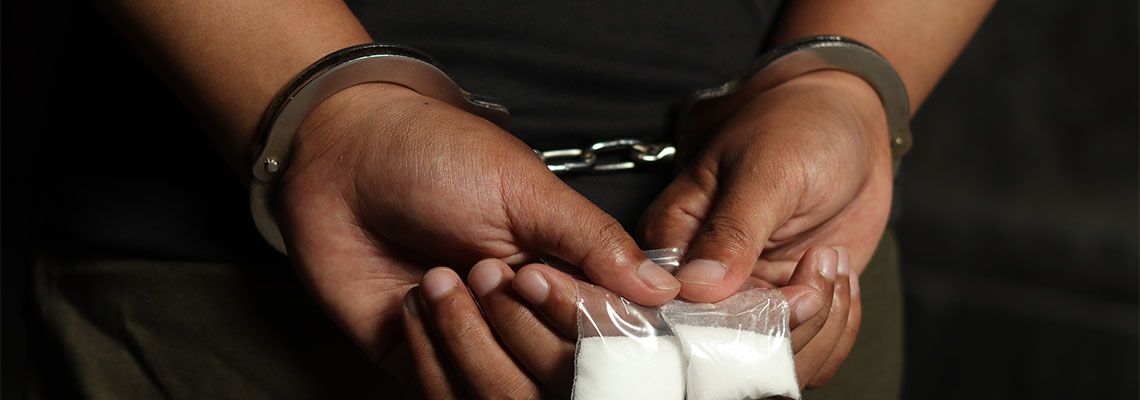
Facing drug crime charges can be an overwhelming and frightening experience, putting a person's future, freedom, and reputation in serious jeopardy. When faced with charges related to the possession, distribution, or manufacture of controlled substances, understanding the available legal defenses is critical.
Drug crime charges can quickly place someone’s future, freedom, and reputation at risk, which is why early legal guidance matters. Wolfe Law Group, in Columbus, Ohio, offers support to people facing these accusations and encourages anyone charged to reach out right away for help.
Wolfe Law Group, LLC serves clients throughout central Ohio, including Dublin, Westerville, Gahanna, and Hilliard. The firm also serves surrounding areas, including Licking County (Newark, Heath, and Granville), Fairfield County (Lancaster and Pickerington), and Delaware County (the City of Delaware, Louis Center, and Powell).
The firm can review the details of the arrest, explain potential defenses, and help the person charged make informed choices during a stressful period. Contact the firm to discuss ways to protect your personal rights.
Constitutional Protections in Drug Crime Cases
Constitutional protections often form the foundation of drug crime defense strategies. When someone's charged with possessing, distributing, or manufacturing controlled substances, the methods law enforcement used can be challenged if officers crossed legal boundaries. These protections may affect whether evidence comes into court or gets excluded entirely.
Transitioning from constitutional issues naturally leads to the way police interactions unfold and how those interactions might be questioned.
Police must follow constitutional rules during searches. When those rules aren’t followed, key evidence may be challenged. Several issues may arise, such as:
Lack of a valid warrant: Police sometimes search a home or vehicle without a warrant, and what they find may later be questioned.
Invalid consent: Officers sometimes say permission was given when it wasn’t, or they pressure someone into agreeing, which doesn’t count as voluntary consent.
Extending a traffic stop without cause: Drug crime charges often start with a simple traffic stop, and prolonging it without justification may affect the case.
Drug crime arrests often hinge on probable cause. When officers stretch the facts to justify a search or arrest, the defense may argue that the entire police action lacked a proper foundation. If the original detention lacked legal reasoning, everything that followed might be challenged. Even when police get a warrant, there may be concerns about how they secured it.
These may include:
Misleading statements in the warrant application: If an officer exaggerates or omits critical information, the warrant may be questioned.
Executing a warrant incorrectly: Officers must follow certain steps during searches, and violations may undermine the prosecution’s case.
Addressing constitutional errors often leads to discussions about how police handle physical evidence and whether it’s treated properly after a search or arrest.
Weaknesses in the Prosecution’s Evidence
After constitutional questions, drug crime defenses often shift to evidence concerns. These issues can affect the strength of the prosecution’s claims, particularly when handling or identifying the substance becomes uncertain.
Possession may be actual or constructive, and prosecutors sometimes struggle to prove either one. A person may be near drugs without knowing they’re present, or they may have been in a shared space where multiple people had access. These details open the door for a range of defense arguments.
Evidence must be properly handled from the moment it’s seized. Breaks in documentation or unclear handling records may raise questions about whether the substance presented in court is the same substance officers claim they found. These concerns can become especially significant when drug quantities or purity levels matter for sentencing.
Drug crime charges often depend on lab results. When labs make mistakes or rely on faulty equipment, the results may be called into question. Problems in this area can include:
Mislabeling samples: When samples are mislabeled, the accuracy of the results is called into question.
Contamination: Even small mistakes during testing may taint the sample.
Unqualified or busy technicians: Heavy caseloads can lead to rushed work, potentially affecting the reliability of results.
Once evidence concerns are addressed, the conversation often shifts toward the person’s knowledge or intent, since prosecutors must frequently prove more than simple possession.
Questions About Knowledge and Intent
Drug crime prosecutions often require proof that the person knew about the substance and intended to possess or distribute it. These elements aren’t always straightforward, and they can form the basis for a strong defense.
Challenging knowledge blends naturally into questions about intent, especially when the prosecution tries to frame possession as distribution.
Drug crime charges involving distribution or trafficking require proof of intent. Prosecutors sometimes rely on circumstantial details such as baggies, scales, or large amounts of cash. But these items don’t always tell the whole story.
Someone might have had items unrelated to drugs or cash for personal reasons. Challenging intent often softens the prosecution’s argument for distribution charges.
As questions about knowledge and intent are addressed, another important area emerges: whether the prosecution’s narrative overlooks alternative explanations for the person’s actions.
Alternative Explanations for the Alleged Conduct
Sometimes the defense focuses on alternative explanations for events leading up to the drug crime charge. These explanations may reduce the severity of the charges or undermine key elements of the prosecution’s claims.
Some substances may be lawfully possessed with a prescription, and misunderstandings about medical use can lead to unnecessary arrests. A prescription provides context for why someone had a particular substance, which may reshape the prosecution’s approach.
Someone may have touched or held drugs briefly without intending to retain them. Temporary possession is a recognized argument in some jurisdictions, especially when the person was trying to discard or destroy the substance to protect others.
In certain situations, a person may have acted under the pressure of threats or intimidation. This can influence how the case is viewed and may serve as a defense when someone’s actions were driven by fear.
Shifting to alternative explanations, another powerful defense involves highlighting law enforcement's missteps.
Police Misconduct and Rights Violations
Allegations of misconduct by law enforcement may significantly affect drug crime prosecutions. While not every error results in case dismissal, these issues can raise doubts about the reliability of the prosecution’s narrative.
Entrapment occurs when officers persuade or pressure someone into committing a crime they otherwise wouldn’t have committed. Undercover operations may sometimes cross the line, and when accusations of entrapment arise, the defense may argue that the government’s behavior created the offense rather than uncovering it.
Drug investigations sometimes rely on informants who provide information about potential suspects. But informants may have motives such as avoiding their own charges or receiving benefits. When their involvement is questionable, it may weaken the prosecution’s position.
Statements made during questioning may be challenged when officers use tactics that pressure the person into speaking. These statements may form a significant part of the prosecution’s evidence, so questioning their reliability may alter the course of the case.
Once issues involving police misconduct are addressed, the next natural transition involves the conversations and agreements that prosecutors sometimes offer—plea deals.
Plea Bargaining Considerations in Drug Crime Cases
Even when someone has a strong defense, prosecutors may offer plea deals. Understanding how these agreements work may help the person charged make informed choices. While every situation is different, several factors commonly arise.
Plea discussions often depend on how strong the prosecution’s case appears. When significant concerns exist about police conduct, possession, or testing, the prosecution may be more open to discussions about reduced charges.
Drug crime sentencing varies widely based on the substance, amount, and prior record. When penalties could be severe, some people prefer plea agreements that minimize risk. But others may choose to move forward with a trial when they feel the evidence raises significant doubts.
Plea agreements sometimes involve consequences that extend beyond jail time or fines. These may include probation conditions, treatment requirements, or long-term record impacts. These factors often guide whether someone accepts a plea or continues challenging the charges.
Plea bargaining naturally leads to discussions about possible defenses available during trial and how those defenses may be used to create reasonable doubt.
Contact an Attorney Today
Wolfe Law Group, LLC can talk with people facing drug crime charges about the facts of the case, possible defenses, and next steps. The firm serves Columbus, Ohio; Dublin; Westerville; Gahanna; and Hilliard, as well as surrounding counties, including Licking County (including Newark, Heath, and Granville); Fairfield County (including Lancaster and Pickerington); and Delaware County (including the City of Delaware, Louis Center, and Powell). Reach out today to talk about available options and potential defenses with an experienced criminal defense attorney.